
Brain health is a human right
Depression remains a leading cause of global disability
Despite widespread antidepressant use, the global burden of depression has remained unchanged for decades. Large trials, including STAR*D, demonstrate that most patients do not respond to standard treatments, as they have patients with chronic or complex presentations.
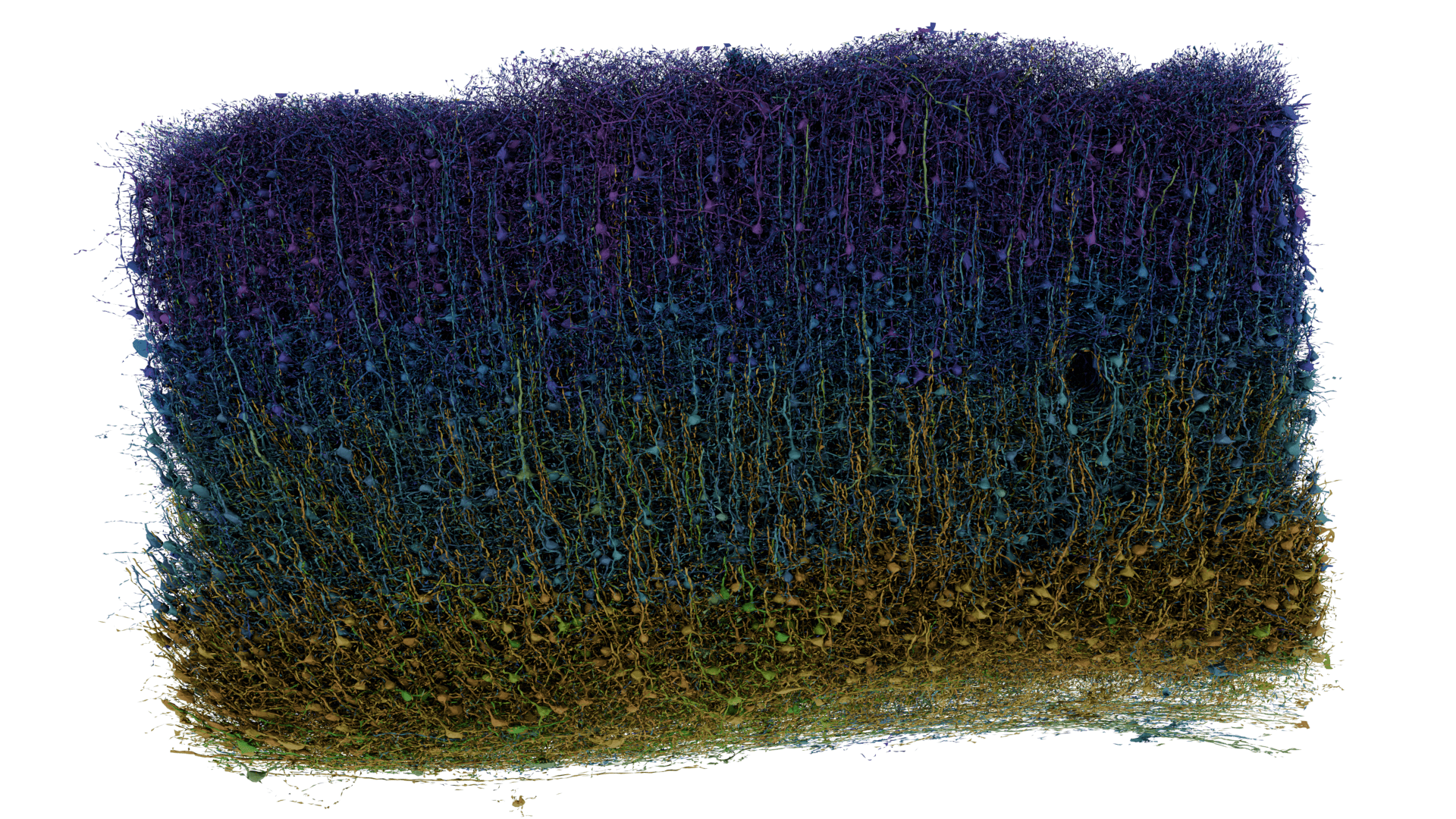
The issue is heterogeneity
Depression isn't uniform, and standardized care doesn't account for the variability in symptom patterns, underlying circuitry, and treatment response.
What makes our approach effective
Your life experience serves as the foundation for our treatment process.
At the Center for Community Brain Health, we don't treat depression as a checklist diagnosis. Our approach is grounded in phenomenology—aspiring to understand how each patient actually experiences their illness. We assess mood patterns, types of worries, temperament, childhood and comorbidities in depth. We maintain a smaller census to allow this level of evaluation.
Listening to your story
Whether enduring hopelessness or anticipatory worries, each person’s unique life story determines the alignment of their healing and recovery. This is our path together.
Formulation, diagnosis, and treatment
Your life narrative shapes the development of your formulation and diagnoses. To get this right, we engage you in a dialogue that must feel right to you.
Treatment
By leveraging our honed clinical skills, we explore and develop a range of collaborative treatment options, empowering you to make the best decision.
Maintaining recovery
Medications, deep TMS, and psychotherapy are tailored and adjusted to address your evolving needs.
Outcomes
Our patients consistently experience a 92% remission in treatment-resistant cases.
We treat to remission, not response. Remission means patients naturally shift from maladaptive patterns (i.e. excessive drinking, marijuana dependence) toward adaptive ones (i.e. regular exercise, healthier relationships, better self-care). Our goal is to empower you to heal, regain control, and no longer need us.
Services
We integrate therapy, medications, and Deep TMS into an individualized process matched to our patients
Medications and Therapy
At its core, medications and therapy are personalized. Every individual is unique, as is their path to achieving peak brain health. Our providers collaborate with you to identify the right medication—or combination of medications— and psychotherapy.
Deep TMS
Trans-cranial Magnetic Stimulation
TMS is an alternative treatment for various mental health conditions, most commonly used to treat depression. Our clinic uses the FDA specified and approved H7 coil for OCD. This noninvasive therapy applies targeted magnetic fields to stimulate and restore function to injured and under active neuronal parts, concentrated in specific areas of the brain. Every parameter is individualized—coil choice, protocol, targeting, medications, treatment intensity, therapy—matched to the patient in front of us.
Deep TMS
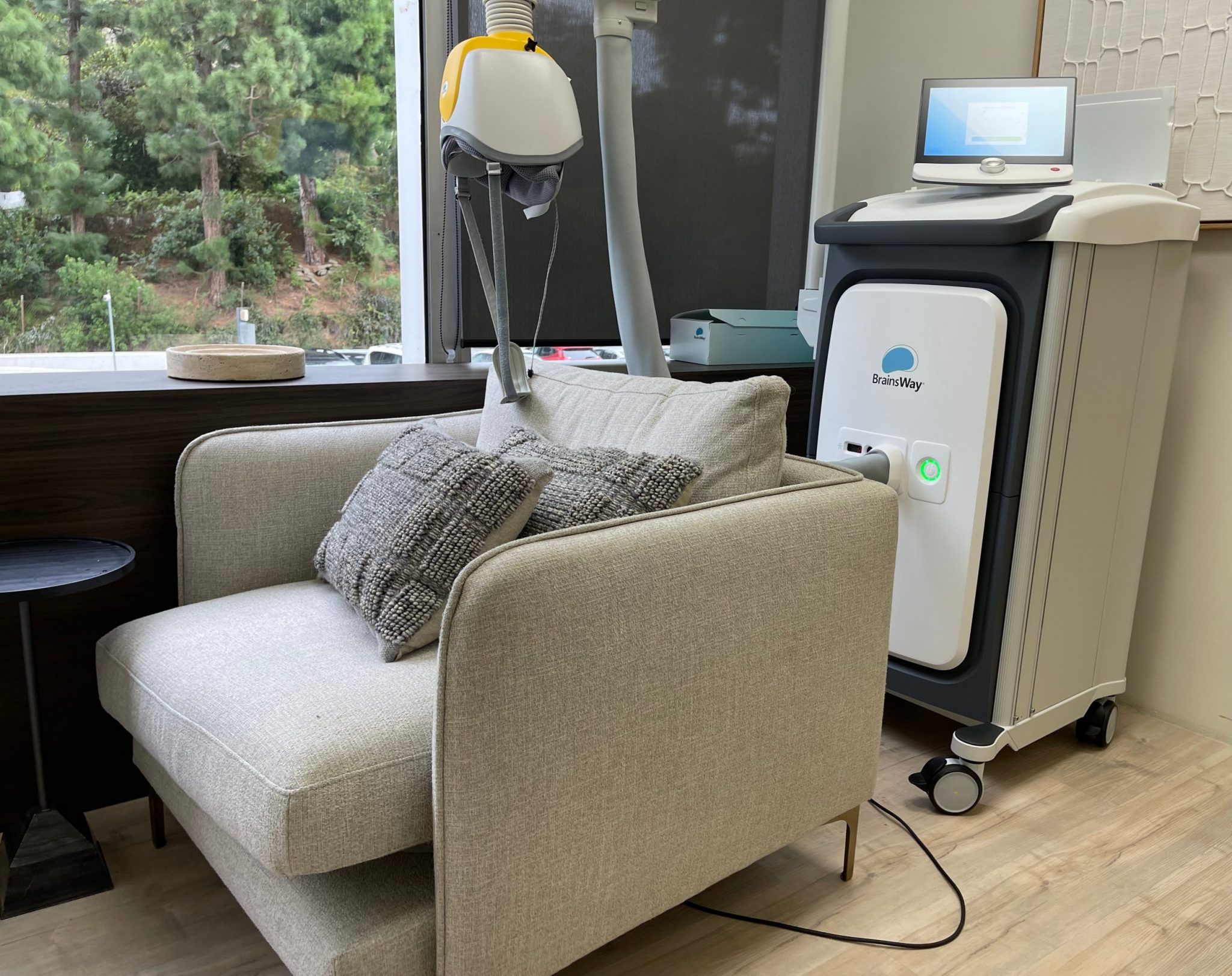
Brainsway's deep TMS outperforms conventional TMS treatments, achieving a groundbreaking response rate of over 72%.
Not all TMS treatments are the same. Brainsway’s Deep TMS is the only FDA-approved TMS treatment for OCD and anxious distress.
Frequently Asked Questions
How does TMS work?
Is TMS for me?
Do I feel anything during the treatment process?
Are there any side effects?
Is TMS covered by insurance?
Insurance we accept
About
Meet our team

Kwi Yun Cassie Yu MD
Medical Director
Dr. Yu is a double-board certified psychiatrist treating children, adolescents, and adults. She believes that brain health is a human right and the key to making adaptive life decisions. Happiness stems from the self-concept built from making adaptive decisions.
View Full Background
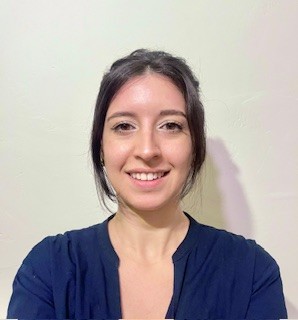
Michelle Devile
PMHNP- BC
Psychiatric Mental Health Nurse Practitioner
Michelle is a board-certified Psychiatric Mental Health Nurse Practitioner with training from Duke University, where she earned both her bachelor's and master’s nursing degrees. She completed psychiatric training in diverse inpatient and outpatient settings across Los Angeles and North Carolina. Before becoming a nurse practitioner, she worked as a pediatric ICU nurse at both CHLA and UCLA Mattel Children’s Hospital in Los Angeles. Michelle now practices at the Center for Community Brain Health alongside Dr. Yu, where compassionate and comprehensive psychiatric care is the priority for all patients across the lifespan.
News & Academic Publications
Press
Apr 11, 2024
I Didn’t Realize I Was a Workaholic—Until My Mask Slipped
Press - News week
Dec 4, 2023
Meet Cassie Yu of Center for Community Brain Health
Press - Voyage LA

Jul 1, 2017
Capgras syndrome: neuroanatomical assessment of brain MRI findings in an adolescent patient
Academic - PubMed
Apr 9, 2016
Genetics of Substance Use Disorders
Academic - PubMed
Jan 14, 2026
Focus on Autism and Related Conditions
Academic - PubMed
Conditions we treat
If you or a loved one are struggling with anxiety, depression, trauma, or other mental health challenges, we’re here to help.
Psychosis
Caused by substance use / medical illnesses
Major depression
Treatment-resistant depression
OCD
Obsessive–compulsive disorder
Bipolar affective disorder
ADHD
Attention deficit hyperactive disorder